
Risks of contamination at gluten intolerance, non-celiac gluten/wheat sensitivity, wheat allergy, silent celiac, atypical celiac and celiac disease.
Gluten cross-contamination occurs when safe, gluten-free food touches gluten-containing food, surfaces, or utensils, transferring tiny amounts of gluten that can trigger reactions in people suffering from glutenintolerance, non-celiac gluten sensitivity, non-celiac wheat sensitivity, wheat allergy, silent celiac, atypical celiac and celiac disease.
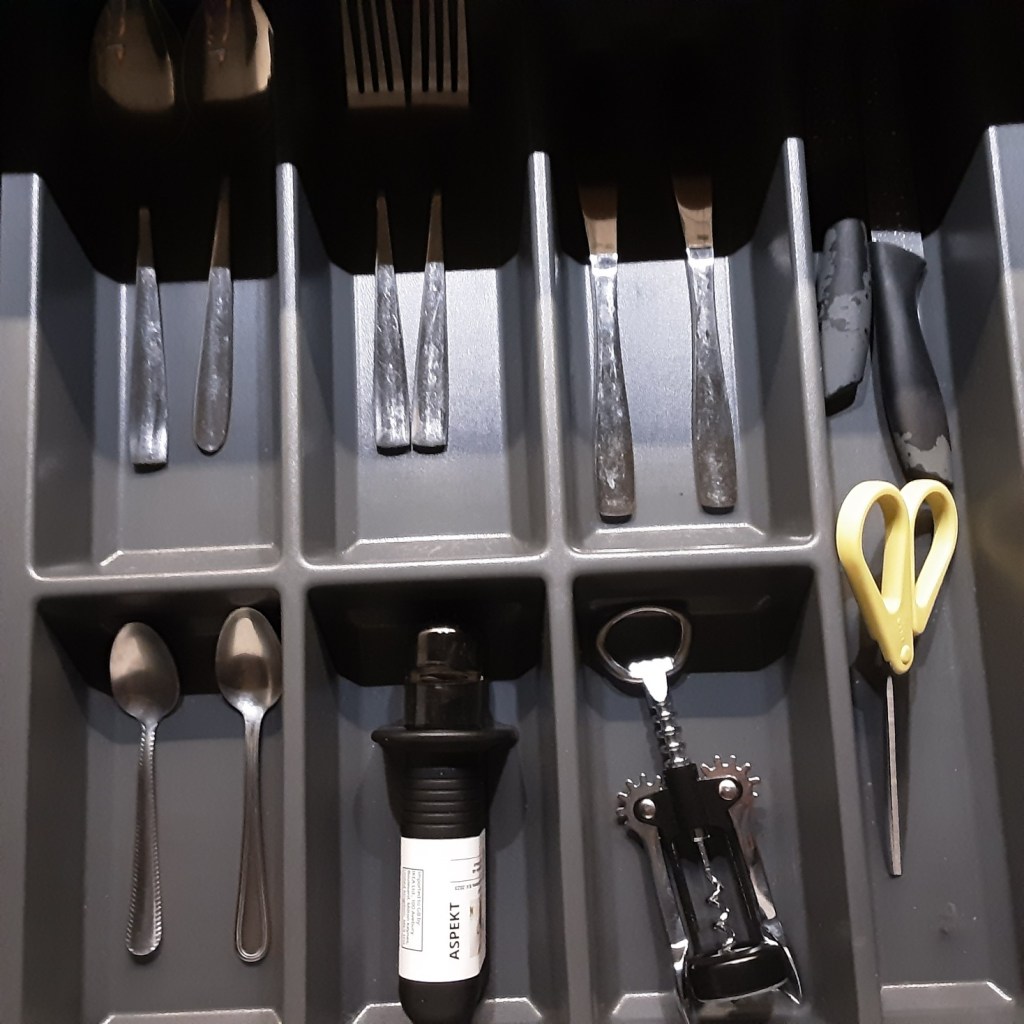
Common examples include sharing toasters, cutlery, cutting boards, oil, or condiments, household utilities as well as shared air with gluten at home, restaurants, cafeterias and in bakeries.
What is Gluten Cross-Contact/Contamination?
• Definition: It is the unintentional transfer of gluten from a food or surface containing gluten (wheat, barley, rye) to a gluten-free food, making it unsafe.
• Synonyms: It is frequently referred to as gluten cross-contact, cross-contamination, or accidental contact.
• Difference from Foodborne Illness: Unlike bacterial contamination, which can be killed with heat, gluten is a protein that cannot be removed by high temperatures, cleaning detergents, or cooking.
Common Examples of Cross-contamination Usage
• Shared Kitchen Tools: Using the same toaster, cutting board, wooden spoon, or colander for both regular bread and gluten-free bread.
• Shared Condiments: “Double-dipping” a knife into a shared peanut butter jar, butter dish, or mayonnaise jar after it has touched breadcrumbs.
• Cooking Processes: Frying gluten-free foods in the same oil as breaded chicken or pasta, or using the same boiling water for noodles.
• Surface Contamination: Preparing gluten-free pizza on a counter covered in wheat flour, which can remain airborne or settle on surfaces.
Key Cross-contamination Precautions
• Dedicated Tools: Use separate, labeled tools (e.g., cutting boards, toasters) for gluten-free food.
• Thorough Cleaning: Clean counters and surfaces thoroughly, as gluten can hide in cracks and on sponges.
• Food Storage: Store gluten-free items on higher shelves in the fridge to avoid crumbs from non-gluten-free items falling into them.
This is mostly an AI overview and provided for informational purposes only. Please consult a healthcare professional if you need medical advice or a diagnosis.
 Are you hypersensitive to gluten, wheat starch and cross-contamination? Welcome to us! You are not alone in this.
Leave a comment